Solid Wood vs Engineered Wood Furniture: Which Lasts Longer?
When shopping for new furniture, one of the biggest decisions you'll face is choosing between solid wood and engineered wood. Both materials offer unique advantages, but their durability, maintenance, appearance, and cost can vary significantly. Understanding the differences can help you invest in furniture that fits your lifestyle, budget, and long-term needs. Here's what you should know before making your decision.
What Is Solid Wood Furniture?
Solid wood furniture is crafted from natural hardwood or softwood, with each piece made from a single type of timber. Popular choices include oak, maple, walnut, cherry, and pine. Because it's made from natural wood, every piece has its own unique grain pattern and character, making solid wood furniture a timeless addition to any home.
What Is Engineered Wood Furniture?
Engineered wood is manufactured by combining wood fibers, particles, veneers, or plywood with adhesives and resins. Common types include MDF (Medium-Density Fiberboard), particleboard, plywood, and veneer-core panels. These materials are designed to provide a consistent appearance while offering an affordable alternative to solid wood.
Durability and Lifespan
When it comes to longevity, solid wood generally lasts much longer than engineered wood. With proper care, solid wood furniture can remain in excellent condition for decades and is often passed down through generations. Engineered wood is durable for everyday use but typically has a shorter lifespan, especially when exposed to heavy wear, moisture, or repeated movement.
Resistance to Wear and Damage
Solid wood is highly durable and can withstand daily use, although it may develop scratches or dents over time. The advantage is that these imperfections can often be sanded, repaired, and refinished. Engineered wood resists warping better in some environments but is more susceptible to surface damage, swelling from moisture, and chipping, which can be difficult to repair.
Maintenance Requirements
Solid wood furniture benefits from regular dusting, occasional polishing, and protection from excessive humidity or direct sunlight. With proper maintenance, its appearance often improves with age. Engineered wood is generally easy to clean but requires extra care around water, as prolonged moisture exposure can damage the material and shorten its lifespan.
Appearance and Style
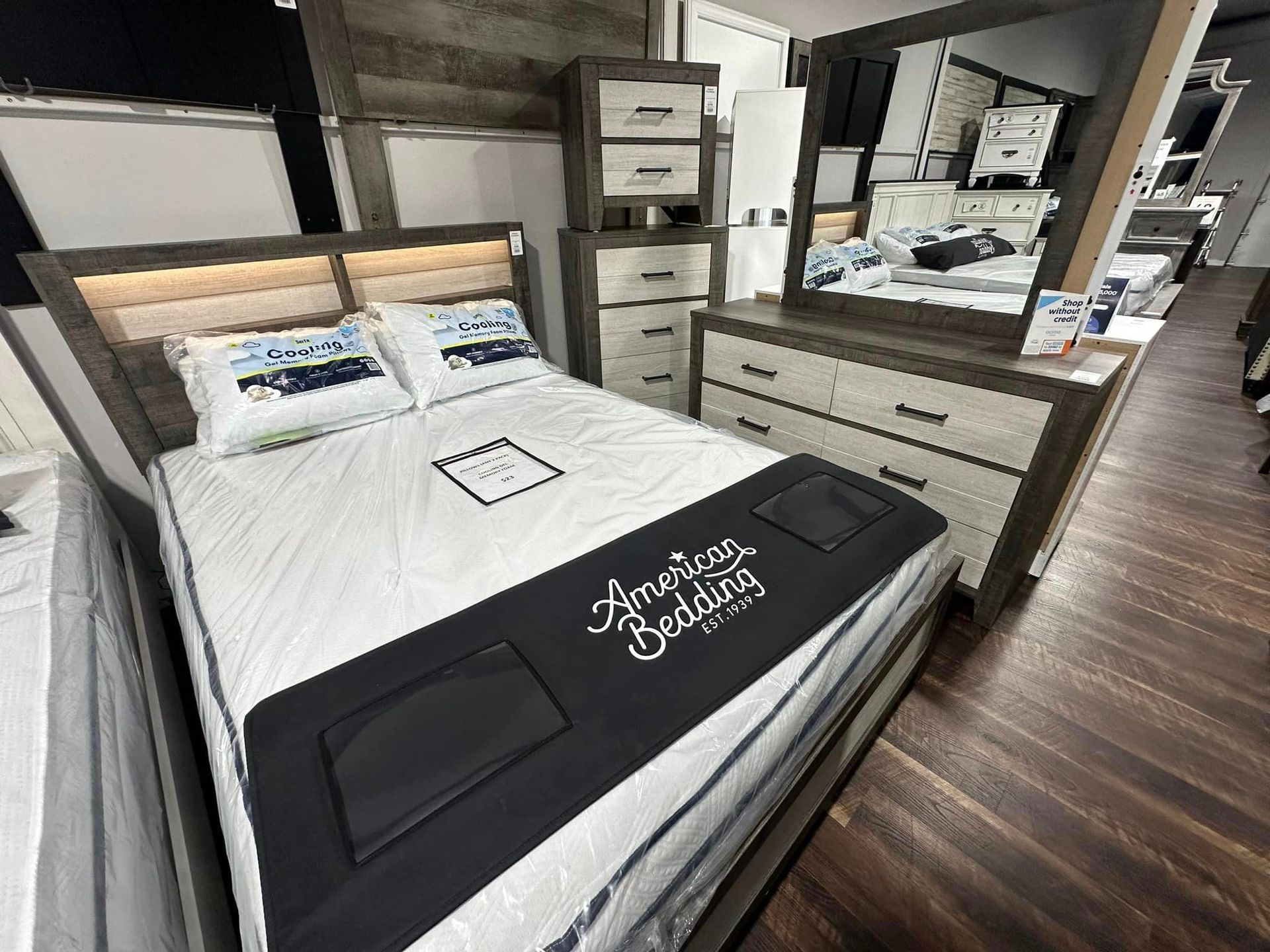
Many homeowners choose solid wood for its natural beauty, distinctive grain patterns, and premium appearance. Each piece is unique, adding warmth and character to a room. Engineered wood often features wood veneers or laminate finishes that mimic natural wood, providing a stylish look at a more affordable price point.
Cost Considerations
Solid wood furniture typically costs more because of the quality of the material, craftsmanship, and long lifespan. While the initial investment is higher, its durability can provide better long-term value. Engineered wood furniture is generally more budget-friendly, making it a practical choice for first-time homeowners, apartments, rental properties, or temporary living spaces.
Best Uses for Each Material
Solid wood is an excellent choice for dining tables, bedroom furniture, bookshelves, cabinets, and heirloom-quality pieces designed for long-term use. Engineered wood works well for entertainment centers, office furniture, shelving, and budget-conscious home furnishing projects where affordability is a priority.
Which Option Is Better for Your Home?
The right choice depends on your priorities. If you're looking for furniture that offers exceptional durability, can be refinished, and may last for generations, solid wood is typically the better investment. If affordability, modern designs, and everyday functionality are your main concerns, engineered wood provides excellent value while meeting the needs of many households.
Why Material Choice Matters
* Longer Lifespan: Solid wood furniture can last for decades with proper care.
* Better Value Over Time: Durable furniture often reduces replacement costs.
* Easier Repairs: Solid wood can usually be refinished instead of replaced.
* Budget-Friendly Options: Engineered wood offers attractive furniture at a lower price.
* Wide Design Selection:
Both materials are available in styles to suit virtually any home décor.
Visit Your Local Furniture Store Today!
Whether you're searching for timeless solid wood furniture or affordable engineered wood options,
visiting a trusted local furniture store allows you to compare materials, construction quality, and finishes in person. Knowledgeable furniture specialists can help you choose pieces that match your style, budget, and everyday needs, ensuring you make a confident investment for your home.